
Sustainability
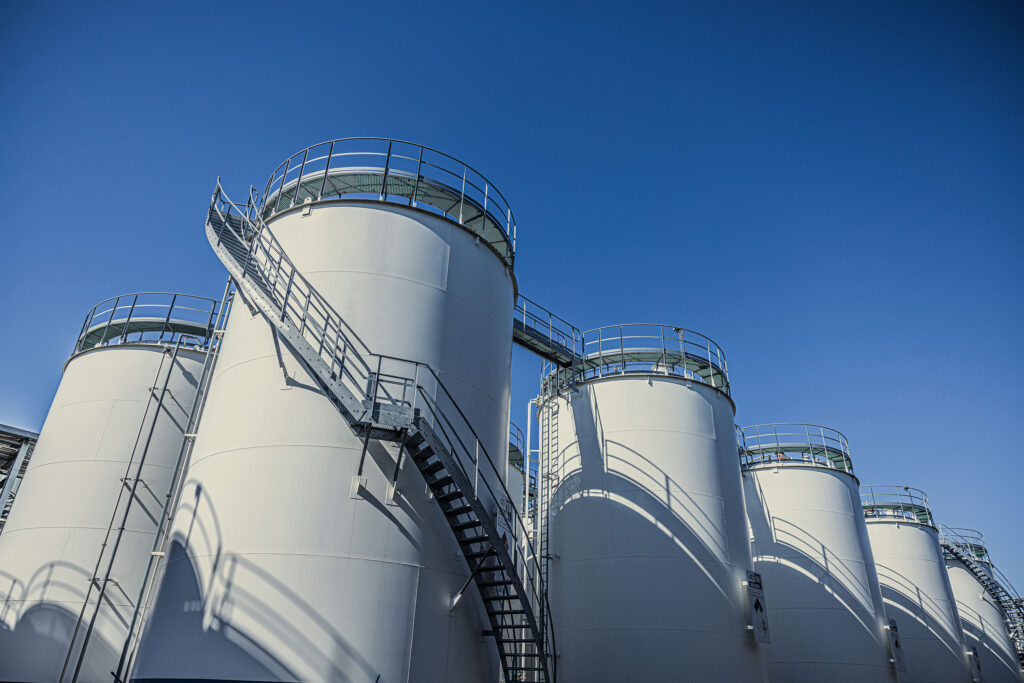
At ADPO, sustainability is not just a goal. It is the foundation of everything we do. Our operations and business practices are guided by principles that aim to reduce environmental impact, enhance safety, and support our people and communities.
Why this matters to ADPO
Climate change is one of the greatest challenges of our time. To slow down or even stop global warming, we need to take collective action. With the European Green Deal, Europe has set the ambition to become climate-neutral by 2050. This requires a drastic reduction in greenhouse gas emissions across all sectors.
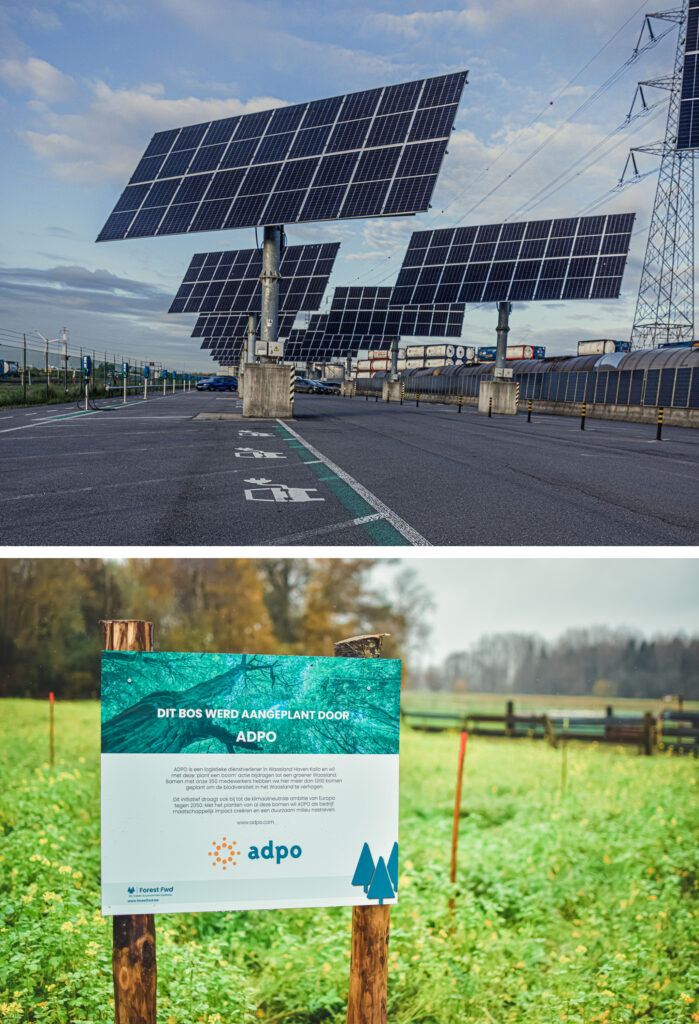
Although ADPO is not a large industrial corporation, we take our climate responsibility seriously. By reducing our energy consumption, producing our own sustainable energy and limiting our CO₂ emissions, we contribute to these climate goals.
How do we approach this
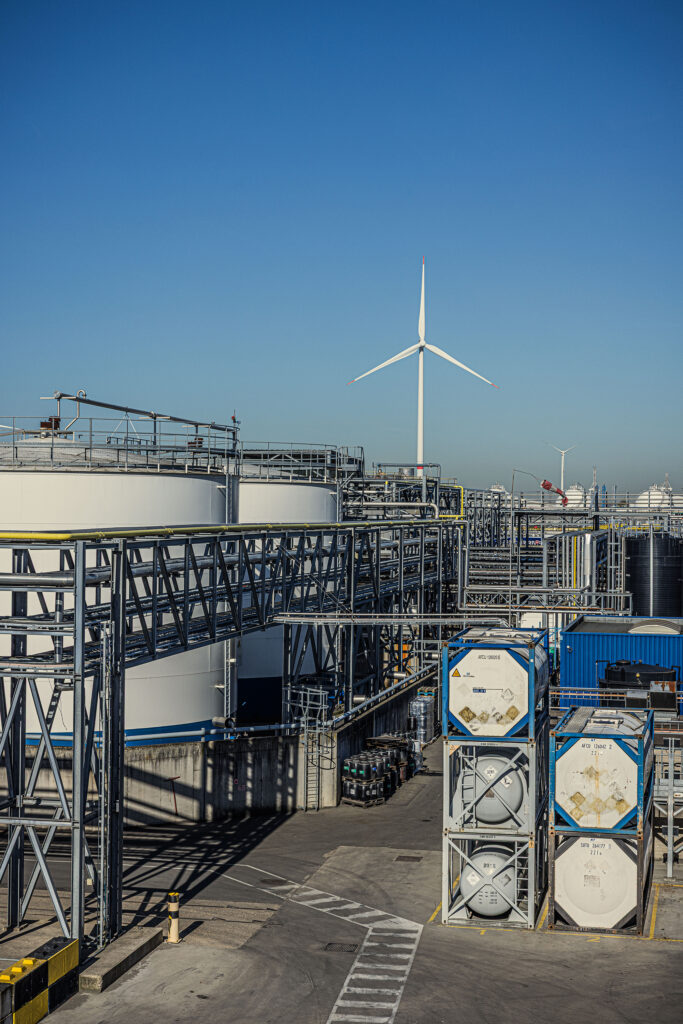
ADPO’s activities are centred around the handling and storage of liquid chemical products. As the owner and operator of a tank terminal with more than 300 storage tanks, ADPO provides its customers with safe and efficient storage facilities. The transactions involved, loading and unloading tanks, are fully managed by ADPO. These operations take place between seagoing vessels, inland barges, tank trucks, tank containers, rail wagons, local filling units, and drums and IBCs ranging from 200 to 1,000 litres.
Every transaction requires energy: from pumping products and blowing pipelines empty to heating or cleaning tanks. We mainly use high-capacity electric pumps, supplemented by compressed air and nitrogen systems to empty pipelines.
Tanks containing products that need to be kept at a higher temperature due to their viscosity, solidification point or quality requirements are heated using electric tracing or steam. Hot water and steam are also used in our cleaning processes to ensure high product quality and operational safety.
Fluctuations in energy consumption are linked to the volume and type of products that need to be heated, as well as to climatic conditions throughout the year. That is why we focus on energy efficiency in every process: through well-insulated pipelines, heat recovery and energy-efficient technologies, we limit losses and structurally reduce our consumption.